


- View
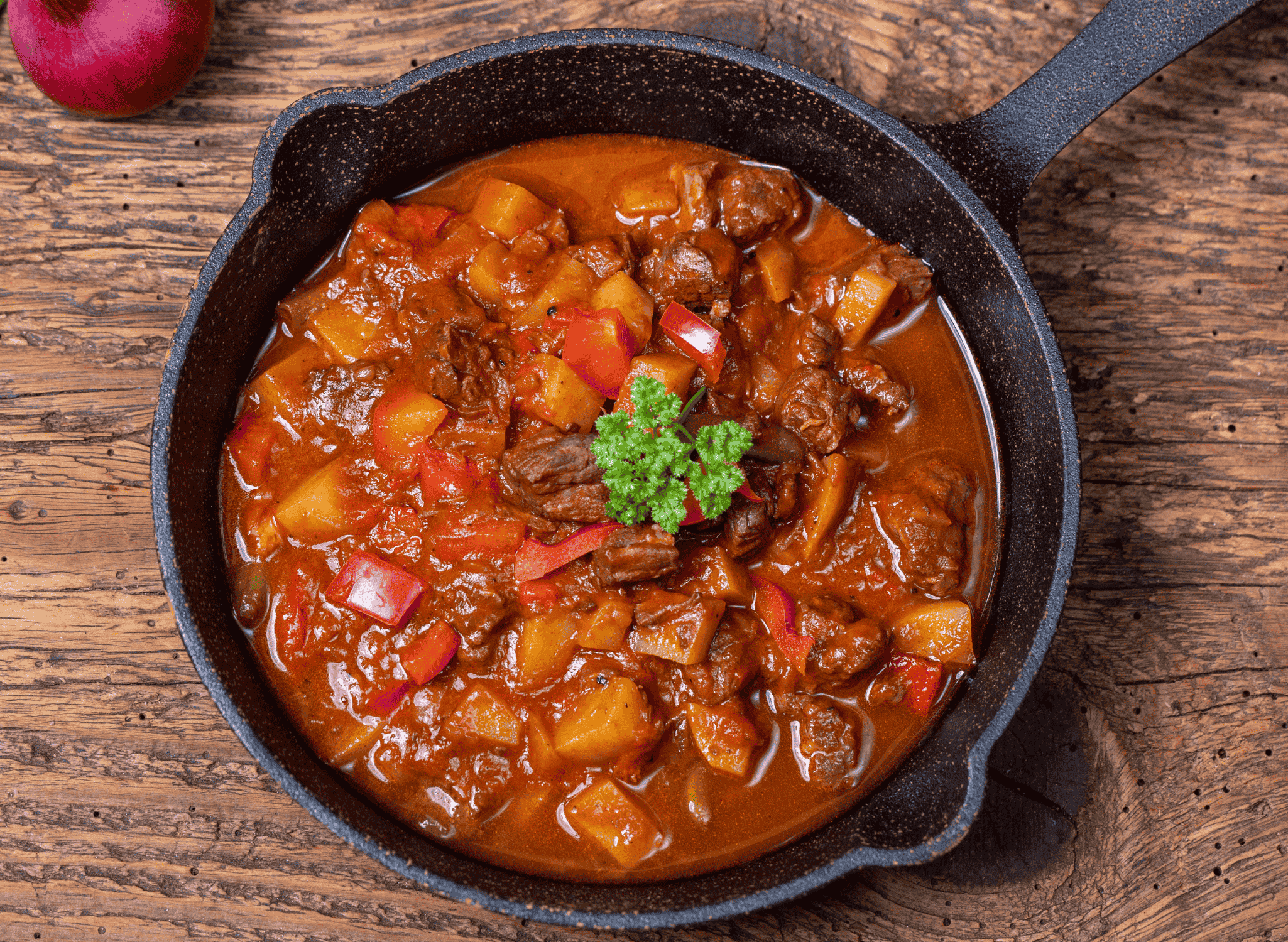
Hungary’s national dish isn’t just food; it’s a cultural icon that has warmed bodies and brought communities together for centuries. Gulyás, which you might know as goulash, stands as one of Europe’s great comfort foods.
This rich, paprika-laced beef soup tells the story of Hungarian herdsmen who cooked over open fires on the Great Plains. What began as simple sustainer for cattle drivers has evolved into a beloved dish that graces tables from Budapest to the countryside.
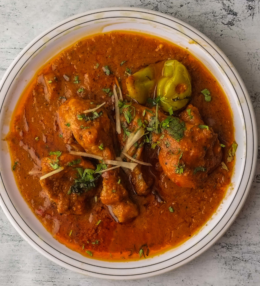
The confusion about what gulyás actually is runs deep outside Hungary. Many Western versions present a thick stew, but authentic gulyás is decidedly soupy, more broth than gravy, packed with tender beef and vegetables swimming in that distinctive red liquid.
Understanding this difference matters if you want to experience the real thing. When Hungarians talk about gulyás, they mean a hearty soup that you eat with a spoon, not a thick stew served over noodles or dumplings like you might find elsewhere.
Want to dive deeper into Hungarian Cuisine? Don’t miss our post on Traditional Hungarian Foods to Try
What Is Gulyás?
Gulyás is a traditional Hungarian soup made with beef, onions, potatoes, and vegetables, all simmered together in a broth heavily seasoned with paprika. The name itself comes from “gulyás,” meaning herdsman, revealing its pastoral origins.
The soup maintains a consistency somewhere between a thin stew and a hearty broth. You’ll find generous chunks of beef that have been cooked until they practically fall apart, releasing their flavour into the liquid surrounding them.
Potatoes and sometimes carrots add body and sweetness, whilst peppers contribute their own character to the mix. The vegetables don’t just float in the soup; they become integral to the overall experience, soaking up all those complex flavours.
What truly defines gulyás is the paprika. This isn’t a dish where the spice plays a supporting role. Paprika dominates, giving the soup its characteristic deep red colour and providing layers of flavour that range from sweet to smoky to gently spicy.
Traditional preparation involves building flavours slowly. The onions get cooked down until they’re nearly caramelised, then the paprika gets stirred in carefully to avoid burning. Only after this flavour base is established does the meat go in, followed by liquid.
Ingredients and Taste
Creating authentic gulyás requires relatively few ingredients, though each one plays a vital role. You need good quality beef, typically chuck or shin, cut into substantial cubes that will withstand long, slow cooking without disintegrating completely.
Onions form the foundation, and you’ll need plenty of them. Hungarian cooks use far more onion than you might expect, sometimes matching the weight of the meat. This creates a natural sweetness that balances the paprika’s intensity.
Hungarian paprika is non-negotiable. The sweet variety, called “édesnemes,” provides the base, though some cooks add a touch of hot paprika for warmth. This isn’t the dusty, flavourless powder from the back of your cupboard; Hungarian paprika bursts with flavour and aroma.
Potatoes, carrots, and peppers round out the vegetables. Caraway seeds add an earthy, slightly anise-like note that’s traditional in many Hungarian dishes. Garlic, tomatoes, and peppers contribute their own layers of flavour to the complex whole.
The taste of proper gulyás surprises people expecting heavy, thick gravy. The soup offers a lighter, brighter experience than you might anticipate. The broth tastes deeply beefy, enriched by hours of slow cooking, with paprika providing warmth rather than aggressive heat.
Sweetness from the onions and carrots plays against the savoury beef and the gentle spice of paprika. The potatoes add comfort and substance, soaking up the flavoured liquid like little sponges. Caraway seeds lend an earthy complexity that ties everything together.
Each spoonful delivers tender beef that melts on your tongue, vegetables that have absorbed all those wonderful flavours, and broth rich enough to satisfy yet light enough to leave you reaching for more. It’s warming without being heavy, complex without being fussy.
A Taste of History
Gulyás traces its roots back to the 9th century, when Magyar tribes roamed the Hungarian plains herding cattle. These herdsmen needed food that could sustain them during long days outdoors, leading to simple one-pot cooking methods over open fires.
The original gulyás was even simpler than today’s version. Herdsmen would cook meat with onions, then dry the resulting stew in the sun. This dried food could be stored and later reconstituted with water, creating an instant meal centuries before freeze-dried camping food existed.
Paprika didn’t enter the picture until much later. The spice arrived in Hungary during the 16th century via Turkish traders, though it took time to become the defining ingredient we associate with Hungarian cooking today. By the 18th century, paprika had become integral.
The 19th century saw gulyás transform from humble herdsman’s fare into a symbol of Hungarian identity. As nationalist sentiment grew, this distinctly Hungarian dish became a source of pride, representing the country’s pastoral traditions and unique culinary heritage.
Gulyás spread beyond Hungary’s borders during the Austro-Hungarian Empire, though it often got reimagined along the way. The thick stews called goulash in Western countries bear little resemblance to the original, much to the frustration of Hungarian cooks who see their national dish misrepresented.
Today, gulyás remains deeply woven into Hungarian culture. Families still gather around steaming pots of the soup, cooked using recipes passed down through generations. Outdoor cooking competitions celebrate who can make the best version, keeping those herdsman traditions alive.
How to Make Gulyás (Hungarian Beef Goulash)
Gulyás is a deeply rooted Hungarian one pot dish built on beef onions and sweet paprika rather than flour or tomato heaviness. Expect slow simmering gentle spice and a broth that becomes rich through patience rather than shortcuts. Keep the heat controlled and let the paprika bloom without burning for the most authentic result. See the recipe card at the bottom for printable directions
Ingredients
- 800 g beef shin or chuck cut into large cubes
- 2 large onions finely diced
- 3 tbsp Hungarian sweet paprika
- 1 tsp Hungarian hot paprika optional
- 2 tbsp lard or sunflower oil
- 2 cloves garlic finely chopped
- 1 tsp caraway seeds lightly crushed
- 1 green pepper deseeded and sliced
- 2 medium tomatoes chopped
- 2 carrots sliced into rounds
- 1 large floury potato diced
- 2 litres beef stock or water
- Sea salt to taste
Cooking Instructions
Step 1: Prepare the base onions
Heat the lard in a heavy pot over medium heat. Add the onions with a pinch of salt and cook slowly for 12 to 15 minutes until deeply soft and lightly golden. This forms the backbone of the dish so avoid rushing before moving to the next step.
Step 2: Bloom the paprika spices
Remove the pot briefly from the heat. Stir in the sweet paprika hot paprika if using garlic and caraway seeds. Mixing off the heat prevents bitterness and allows the spice to release aroma before continuing.
Step 3: Brown the beef
Return the pot to low heat and add the beef cubes. Stir to coat evenly in the onion and paprika mixture. Cook for 5 minutes until the meat seals and releases its juices before proceeding.
Step 4: Add fresh vegetables
Stir in the green pepper tomatoes and carrots. Let them soften for 5 minutes so their natural sweetness integrates into the base.
Step 5: Add liquid and simmer
Pour in enough stock or water to just cover the meat. Bring to a gentle simmer then reduce the heat low. Cover loosely and cook for 60 minutes allowing the beef to tenderise slowly.
Step 6: Add potatoes
Add the diced potatoes and check seasoning. Continue simmering uncovered for a further 30 minutes until the potatoes soften and naturally thicken the broth.
Step 7: Adjust consistency and flavour
Taste and adjust salt if needed. The broth should be soupy but rich never starchy or flour thickened. Skim excess fat only if necessary.
Step 8: Rest the gulyás
Turn off the heat and allow the pot to rest for 10 minutes. This settles the flavours and improves depth before serving.
Step 9: For serving
Serve hot in deep bowls with crusty bread or csipetke dumplings if available. A small dish of extra hot paprika on the table suits traditional presentation.
Variations and Substitutions
- Beef cut: If shin is unavailable chuck or blade works well
- Lard substitute: Use sunflower oil for a lighter version
- Green pepper: Any mild pepper can be used but avoid sweet bell peppers with thick skins
- Caraway: Ground caraway may be used sparingly if whole seeds are unavailable
Cooking Tips for Perfect Gulyás
- Always remove the pot from heat before adding paprika to prevent bitterness
- Cut beef into large cubes so it stays juicy during long cooking
- Never thicken with flour as potatoes provide the correct texture
- Gulyás improves after resting so avoid serving immediately
How to Store and Reheat
Proper Storage
Gulyás actually improves after a day or two, as the flavours have time to deepen and meld together. Once your soup has cooled to room temperature, transfer it to an airtight container and refrigerate. It will keep well for three to four days.
The soup may thicken considerably in the fridge as the potatoes release more starch and everything settles. This is completely normal and easily remedied when you reheat. Just don’t leave it at room temperature for more than two hours before refrigerating.
For longer storage, gulyás freezes beautifully for up to three months. Portion it into freezer-safe containers, leaving some headspace for expansion. Label with the date so you remember when you made it and use within the recommended timeframe.
Reheating Methods
Stovetop reheating works best for gulyás. Pour the soup into a pot and warm it gently over medium-low heat, stirring occasionally to prevent sticking. Add water or beef stock if it’s thickened too much, adjusting the consistency to your preference.
Bring the soup just to a simmer rather than a rolling boil, which can make the meat tough and the vegetables mushy. This gentle approach takes about 10 to 15 minutes but preserves the texture and flavour you worked hard to create.
Microwave reheating is possible if you’re short on time. Use a microwave-safe bowl and heat in two-minute intervals, stirring between each session. Add a splash of water to maintain the soupy consistency and cover loosely to prevent splattering all over your microwave.
Tips for Best Results
Taste your reheated gulyás before serving and adjust the seasoning. Flavours can mellow during storage, so you might need to add a pinch of salt or an extra sprinkle of paprika to bring everything back to life and restore that vibrant character.
If you’ve frozen the soup, thaw it overnight in the refrigerator rather than at room temperature. This slower method is safer and helps maintain better texture. Once thawed, treat it like refrigerated leftovers and reheat using your preferred method.

Hungarian Gulyás (Beef Goulash)
Ingredients
- 800 g beef shin or chuck cut into large cubes
- 2 large onions finely diced
- 3 tbsp Hungarian sweet paprika
- 1 tsp Hungarian hot paprika optional
- 2 tbsp lard or sunflower oil
- 2 cloves garlic finely chopped
- 1 tsp caraway seeds lightly crushed
- 1 green pepper deseeded and sliced
- 2 medium tomatoes chopped
- 2 carrots sliced into rounds
- 1 large floury potato diced
- 2 litres beef stock or water
- Sea salt to taste
Instructions
- Heat the lard in a heavy pot over medium heat. Add the onions with a pinch of salt and cook slowly for 12 to 15 minutes until deeply soft and lightly golden. This forms the backbone of the dish so avoid rushing before moving to the next step.
- Remove the pot briefly from the heat. Stir in the sweet paprika hot paprika if using garlic and caraway seeds. Mixing off the heat prevents bitterness and allows the spice to release aroma before continuing.
- Return the pot to low heat and add the beef cubes. Stir to coat evenly in the onion and paprika mixture. Cook for 5 minutes until the meat seals and releases its juices before proceeding.
- Stir in the green pepper tomatoes and carrots. Let them soften for 5 minutes so their natural sweetness integrates into the base.
- Pour in enough stock or water to just cover the meat. Bring to a gentle simmer then reduce the heat low. Cover loosely and cook for 60 minutes allowing the beef to tenderise slowly.
- Add the diced potatoes and check seasoning. Continue simmering uncovered for a further 30 minutes until the potatoes soften and naturally thicken the broth.
- Taste and adjust salt if needed. The broth should be soupy but rich never starchy or flour thickened. Skim excess fat only if necessary.
- Turn off the heat and allow the pot to rest for 10 minutes. This settles the flavours and improves depth before serving.
- Serve hot in deep bowls with crusty bread or csipetke dumplings if available. A small dish of extra hot paprika on the table suits traditional presentation.
Leave a Review